We Can Find Great Leadership — If We’re Brave Enough to Look For It
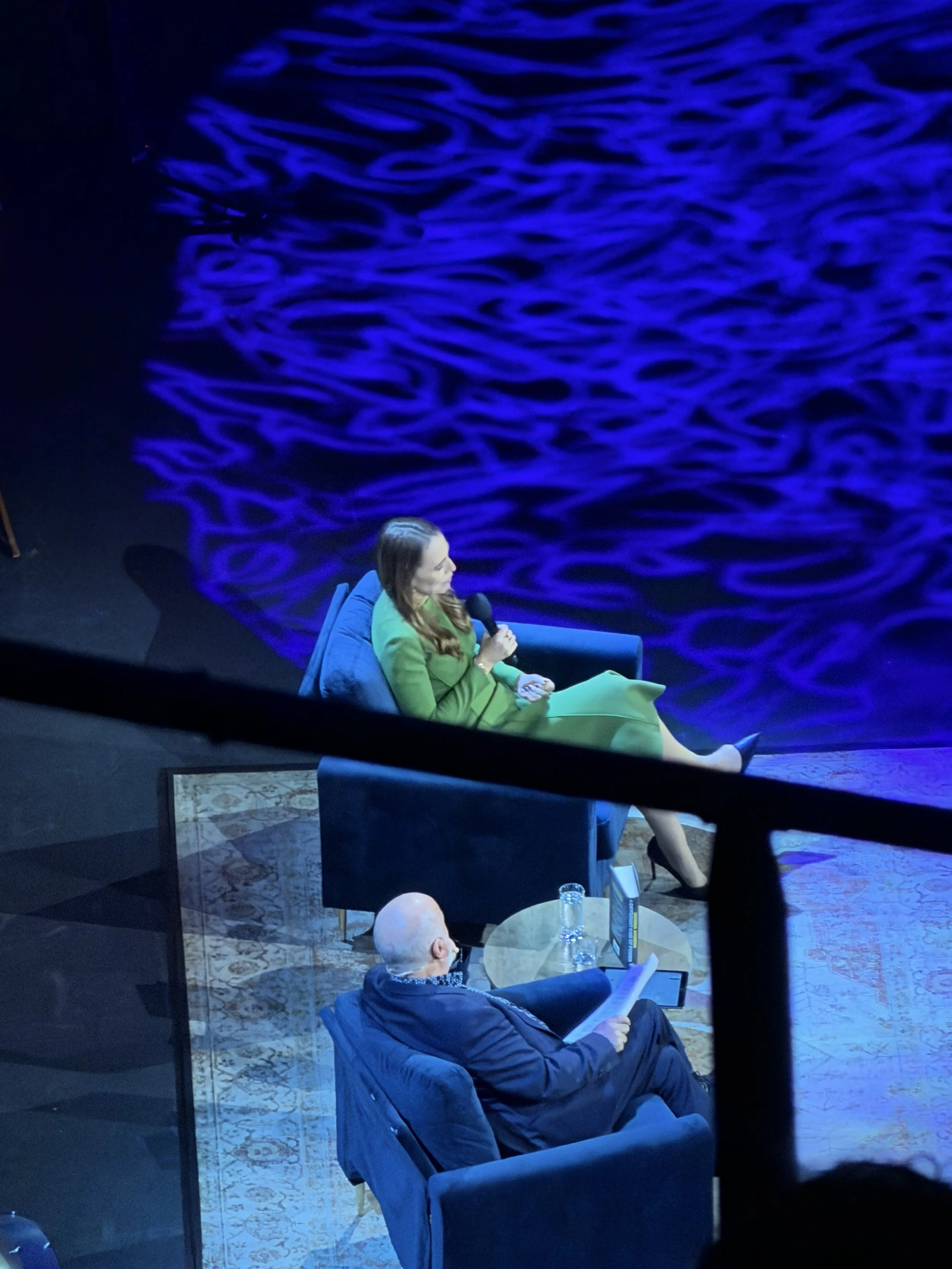
Recently, I had the privilege of hearing Jacinda Ardern speak at the Royal Albert Hall in London — and it got me thinking about something simple yet deeply urgent: we already have brilliant examples of leadership in the world — we just have to recognise them, champion them, and stop letting cynicism blind us.
Too often today, leadership is mocked as self-serving, ego-driven, or devoid of moral compass. But what if that’s just a narrow slice of what leadership is? What if the more meaningful examples are out there — quietly doing the hard work of caring and doing good — and we’re just not paying attention?

One of the most striking moments from the evening came not from a headline-grabbing policy proposal, but from how Ardern answered a simple, profound question: what would she teach children? Her response was thoughtful, honest — and a challenge.
She pointed out with wry humour that by age five, most of us teach children how to be good people: to care for others, to share, to do their best, to look out for one another. And yet, she observed, we seem reluctant to demand those same basics from the people we choose to lead.
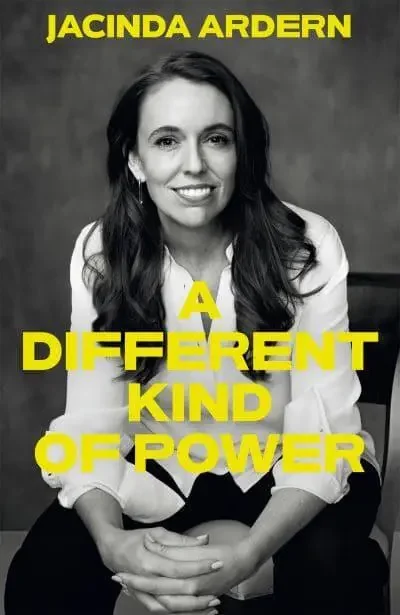
This wasn’t just rhetoric. It’s deeply consistent with the broader themes Ardern has emphasised in her speeches, memoir A Different Kind of Power, and recent public reflections on leadership. Across those platforms she insists — repeatedly and with grounded clarity — that leadership rooted in empathy, kindness, and compassion isn’t soft — it’s strength.
Leadership isn’t about dominating a room or overpowering opponents. True leadership looks like building the bridges that were missing from the conversation in the first place. It’s about clarity of values, courage of empathy, and willingness to bring others along.
If there’s a single thread running through Ardern’s work since leaving office, it’s this: kindness has power. In a world that too often sees compassion as sentimental or naive, this matters. Empathy is not optional — it is essential.
She has also spoken candidly about vulnerability — imposter syndrome, self-doubt, sensitivity — and challenges the idea that these traits are liabilities. Instead, they can be the very qualities that allow leaders to understand and serve others better.
Perhaps the greatest takeaway from hearing Jacinda Ardern speak is this: choosing hope over cynicism is an act of leadership in itself. Cynicism may feel safe, but it blinds us to the real, imperfect examples of leadership that already exist.
We teach children these values because they matter. Maybe it’s time we demanded them again — from those who lead us — and supported them loudly when we find them.