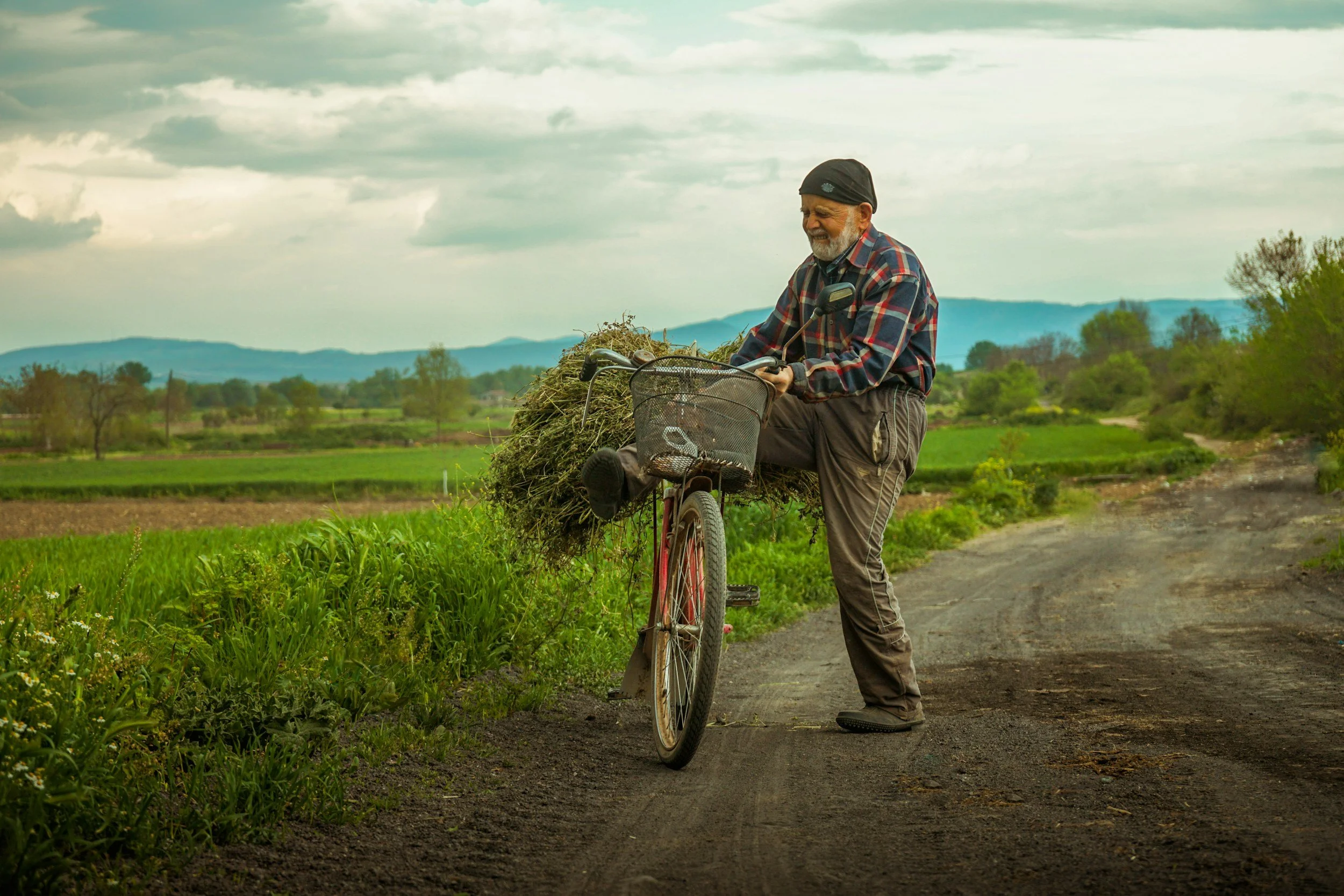
The idea that it takes a village is alive and well.
In a lot of South Asian communities, “uncle” isn’t really a family title at all. It’s a role.
An uncle might not be related to you in any obvious way. He could be your dad’s friend, your mum’s colleague’s husband, the man who runs the local shop, or someone you see regularly at the mosque, temple, or gurdwara. But you call him uncle because that’s what he is in practice: an older figure who carries a certain weight, a certain authority, and a certain responsibility. The word itself is a shorthand for respect. It says, you matter to me, and I accept that you have a place in my life.
With that comes an unspoken agreement. Uncles are expected to look out for you. Not in a formal or official way, but in the background. They notice when you’ve gone quiet, when you seem lost, when you’re making choices that might cause trouble later. They give advice freely — sometimes too freely — about work, money, relationships, family, and how the world really works. They make introductions, open doors, and quietly pull strings. And when things go wrong, they often step in to handle it discreetly, protecting your dignity and your family’s reputation at the same time.
I have a friend, Mohinder, and he is the living embodiment of a proper Uncle. While we we’re out the other day he took a phonecall from one of his friends which seemed stern but not at all heated. When he got off the phone he explained to me the his friend has a son who is 19 and looking to start driving. His father only has an automatic car and Mohinder believes (and I agree) that everyone should first learn in a manual. So as the owner of a manual car Mohinder has been taking this lad out in the evenings for his first few lessons. The phone conversation came about because the young lad wanted to give him money for petrol, the right and respectful thing to do yes, but what the lad didn’t understand is that Mohinder is a proud uncle, he takes his position very seriously and the respect is payment enough.
It’s all a very real version of the phrase “it takes a village.” Not as an abstract idea, but as something lived day to day. Uncle culture turns busy cities into something closer to a village. It spreads responsibility across a community so parents aren’t carrying everything alone, and young people aren’t left to figure life out in isolation. You grow up surrounded by different adults with different perspectives — some kind, some strict, some hilarious, some brutally honest — but all invested in you turning out okay.
That doesn’t mean uncle culture is always soft or comfortable. It can be intrusive. It can come with pressure, unsolicited opinions, and a constant sense that someone is watching. Sometimes it slips into control, especially around reputation, relationships, and expectations of behaviour. Generational gaps show up too, with advice shaped by a world that no longer quite exists. And let’s be honest — uncles are famously direct. What’s meant as guidance can land as criticism.
Still, underneath the awkwardness and the overreach, there’s usually care. A belief that life is shared, that your actions ripple outward, and that older people have both the right and the duty to step in before small problems become big ones.
What’s interesting is that when I look back on my own upbringing as an Irish Catholic boy, we had our own version of this too. I had an auntie Rosarie and an uncle Frank and the shape of it was the same. There were always other adults around who had permission to get involved. Your dad’s mates could tell you off and your parents would back them. Neighbours kept an eye out. Coaches, teachers, men at the local club or the church — they all played a role. You were known. You were seen. And you knew that your behaviour didn’t just reflect on you, but on your family and your community as well.
Somewhere along the way, that version of uncle culture seems to have faded. Life became more private. People moved more often. Work took over. Community spaces shrank. Institutions like churches and local clubs lost their central place. Add in a strong sense of individualism — mind your own business, don’t get involved — and the idea of multiple adults guiding and correcting children quietly slipped away. Often for understandable reasons, we also became more cautious about adult involvement altogether, and what was once normal started to feel risky or inappropriate.
When people talk loudly about how we’re “lost our culture” it’s not that any other people have over written it, we’ve willfully given it away, heck some of those people consistently blamed are the very ones who’ve maintained that community spirit.
The result is that a lot of people now grow up with fewer safe adults around them. Fewer informal mentors. Fewer people who notice early when something’s not right. Parents are expected to do everything, and young people are expected to navigate increasingly complex worlds largely on their own.
That’s why uncle culture, when it works well, feels worth paying attention to. At its best, it isn’t about control or nosiness. It’s about stewardship. It’s about adults who care enough to show up, to speak honestly, to offer help without demanding obedience, and to guide without trying to dominate. It’s about correction that happens privately, support that happens quietly, and encouragement that happens publicly.
Maybe the real lesson isn’t that we need more uncles in name, but that we need more people willing to play that role — people who remember that none of us are raised alone, and that communities are stronger when they’re brave enough to stay involved.